
A summer rental property has to work hard during a short, high-demand season. Guests arrive expecting comfort, cleanliness, safety, and convenience from the first hour of their stay. When a property feels outdated, cluttered, or poorly maintained, even a great location may not be enough to create a positive experience. Renovating before the season begins helps owners present the property more confidently and reduce avoidable problems.
Strong rental properties usually feel intentional rather than patched together. Owners do not need to renovate every corner at once, but they do need to understand which upgrades affect guest comfort, property protection, and repeat booking potential. Many home remodeling companies help owners organize improvements by priority, especially when several rooms need attention. A clear plan also keeps renovation spending focused instead of reactive.
Preparation often begins with removing what no longer belongs. Old patio furniture, broken appliances, leftover construction materials, and damaged decor can make a property feel neglected before guests even unpack. Working with junk removal companies can make the early stages of renovation cleaner and easier to coordinate. Once unnecessary items are gone, owners can better evaluate the space, schedule improvements, and prepare for seasonal turnover.
Create a More Comfortable Guest Experience

Comfort is one of the strongest reasons to renovate a summer rental property. Guests may forgive small quirks, but they are far less patient with uncomfortable rooms, unreliable fixtures, or spaces that do not match the listing. Strategic updates help the property feel more polished without requiring a full redesign. Better comfort also supports longer stays, stronger reviews, and fewer mid-stay complaints.
Indoor temperature deserves special attention because summer renters often spend long days outdoors and want reliable cooling when they return. Scheduling air conditioner repair before peak season helps address weak airflow, unusual noises, thermostat issues, or inconsistent performance. A cooling problem during a guest stay can quickly become the main thing they remember. Preventive attention gives owners a better chance of avoiding urgent service calls during the busiest weeks.
Some comfort issues are connected to the larger mechanical system rather than one obvious repair. HVAC companies can evaluate whether equipment, ductwork, filters, and controls are supporting the way the rental is actually used. Back-to-back guests, high outdoor temperatures, and frequent door use can all strain a cooling system. Reviewing those details before the season starts helps owners make better decisions about repairs, maintenance, or future replacement planning.
Electrical convenience also shapes the guest experience. Renters expect outlets near beds, dependable lighting in kitchens and bathrooms, and safe access to power for devices, appliances, and outdoor areas. Licensed electricians can identify outdated fixtures, overloaded areas, or practical upgrades that make the property easier to use. These improvements are especially valuable when an older rental needs to meet modern expectations without losing its character.
Strengthen the Property With Practical Interior Updates
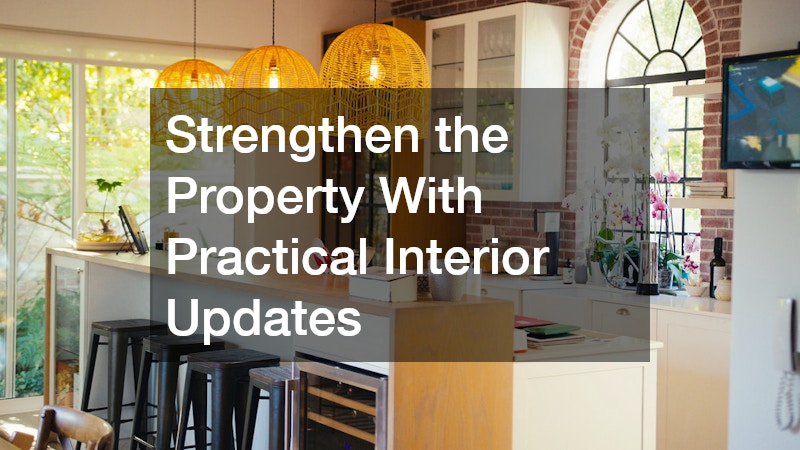
Interior renovations should make the rental more attractive and easier to maintain. Summer properties often see heavy foot traffic, wet towels, luggage, sand, food spills, and frequent cleaning between guests. A thoughtful material plan helps owners avoid finishes that look good briefly but wear down quickly. Durable updates give the property a fresher look while reducing the need for constant touch-ups.
Flooring is one of the most visible and frequently used surfaces in any rental. Choosing hardwood floor installation can create a warm, finished appearance that photographs well and holds up when the material is appropriate for the property. Owners should consider cleaning routines, moisture exposure, and furniture movement before selecting a flooring option. A beautiful floor still needs to fit the real conditions of a summer rental.
Walls, trim, cabinetry, and hardware also affect how guests read the property. Fresh paint, repaired doors, updated handles, and better storage can make rooms feel cleaner and more cohesive. These improvements are not always dramatic on their own, but together they reduce the sense of age or neglect. A property that feels well cared for is more likely to inspire confidence from guests.
Interior planning also helps owners avoid mismatched upgrades. If a kitchen is updated but nearby flooring, lighting, or trim remain worn, the finished result can feel uneven. Some home remodeling companies can help sequence work so rooms feel connected rather than assembled from unrelated projects. That kind of planning is especially useful when owners are improving the property gradually over several off-seasons.
Make Outdoor Spaces More Inviting
Outdoor areas are often central to the appeal of a summer rental. Guests may choose a property because they imagine grilling, swimming, relaxing on a deck, or spending quiet evenings outside. Renovations that improve outdoor comfort can make the property feel larger and more memorable. Even modest changes may influence how much time guests spend enjoying the rental.
Landscaping plays a major role in first impressions. Experienced local landscapers can help shape entry areas, refresh planting beds, manage overgrowth, and make outdoor spaces look more orderly. For rentals, the goal is not always elaborate design; it is often clean, attractive, and manageable curb appeal. A well-kept exterior signals that the rest of the property is likely maintained with care.
Privacy and boundaries matter as well, particularly in vacation areas where homes may sit close together. Working with fence contractors can help owners repair damaged sections, replace aging materials, or add fencing that helps define usable outdoor space. Clear boundaries make yards, patios, and pool areas feel more intentional. They also help guests understand where they can relax without feeling exposed to neighboring properties.
Outdoor improvements should be planned around actual guest behavior. A shaded seating area, secure gate, clear walkway, or better exterior lighting may matter more than expensive decorative features. Owners should think about how families, couples, and groups will move through the property throughout the day. Practical outdoor improvements often create the most noticeable difference in how the rental feels.
Protect Pool Areas and Seasonal Amenities

A pool can be one of the strongest selling points for a summer rental, but it also creates responsibility. Guests expect the water, deck, furniture, gates, and surrounding area to feel clean and safe. Pool areas that appear neglected can make the entire property feel poorly managed. Regular attention protects both the guest experience and the owner’s investment.
Consistent pool maintenance helps owners stay ahead of water balance, equipment issues, surface concerns, and seasonal wear. A pool that looks inviting in photos needs to remain that way through repeated bookings and changing weather. Maintenance planning also helps prevent small issues from growing into larger repairs during peak rental periods. For owners, dependable care is part of keeping the amenity rental-ready.
Cleanliness is just as important as function. Hiring a pool cleaning company can support clearer scheduling, more consistent water appearance, and better presentation between guest stays. This is especially important when turnover windows are short and owners cannot personally inspect every detail. A clean pool area reassures guests that the property is being cared for between reservations.
Pools also connect to other renovation decisions. Deck surfaces, lighting, gates, seating, landscaping, and storage all affect how guests use the area. Licensed electricians may be needed when outdoor outlets, lighting, or equipment connections require professional attention. Coordinating these details helps the pool feel like an integrated feature instead of a separate amenity with disconnected problems.
Reduce Safety Concerns and Maintenance Surprises
Renovations are not only about appearance. A summer rental must be safe, functional, and easy to manage when different guests are using it every week. Loose railings, weak lighting, uneven paths, damaged fencing, and aging systems can create avoidable concerns. Addressing these issues before the season helps owners avoid disruptions and protect the property.
Some safety improvements begin with systems guests rarely notice unless something fails. HVAC companies can help identify cooling equipment concerns that may affect comfort, humidity, or reliability during heavy seasonal use. Owners should also review filters, vents, and thermostats before bookings begin. Keeping these systems in better condition supports both guest comfort and property care.
Cooling repairs should be handled before the rental calendar becomes crowded. Needed air conditioner repair is harder to schedule calmly when guests are already uncomfortable and the next arrival is approaching. Addressing known issues during the off-season gives owners more flexibility to compare options, approve parts, and avoid rushed decisions. Better timing often leads to smoother project management.
Exterior safety deserves the same level of attention. Owners may bring in fence contractors to address loose gates, damaged posts, leaning sections, or gaps that affect privacy and control around yards or pools. A secure, well-maintained fence can also make outdoor areas feel more organized. When boundaries are clear and stable, guests can use the property with fewer concerns.
Plan Renovations Around Budget and Timing

A successful renovation plan depends on timing as much as project selection. Summer rental owners need to think backward from their first major booking period and leave enough room for repairs, inspections, cleaning, staging, and photos. Last-minute projects can create stress and may force owners to accept temporary fixes. A realistic schedule helps each improvement support the next one.
Budget planning should separate urgent repairs from value-building upgrades. Safety concerns, cooling problems, water issues, and damaged surfaces usually deserve attention before purely decorative changes. Owners may schedule local landscapers after major exterior work is complete, so planting beds, lawns, and entry areas are not damaged by construction activity. Sequencing projects carefully helps owners avoid paying twice for cleanup or repairs.
Some upgrades require coordination across multiple trades. For example, a kitchen refresh may involve flooring, lighting, outlets, painting, and appliance placement. Electrical work should be scheduled before walls are closed, surfaces are finished, or cabinets are fully installed. Good sequencing prevents finished areas from being disturbed by work that should have happened earlier.
Flooring also needs careful timing within the overall renovation calendar. For example, hardwood floor installation should be scheduled after messy demolition or major mechanical work, but before final staging and photography. Owners should allow time for furniture placement, cleaning, and any product-specific settling or care requirements. When flooring is rushed at the end of a project, the finished result may not receive the attention it deserves.
Support Better Listings and Stronger Reviews
Renovations can directly influence how a summer rental is presented online. Photos of clean rooms, attractive outdoor spaces, updated finishes, and inviting amenities help a listing feel more competitive. Guests often make fast decisions based on whether a property looks cared for and easy to enjoy. Improvements that show clearly in photos can help the rental stand out before anyone reads the full description.
Better property condition can also reduce negative review triggers. Guests may not mention every good detail, but they often mention discomfort, mess, poor lighting, weak cooling, or neglected outdoor areas. Hiring a pool cleaning company before and during the season helps protect one of the most visible amenities from becoming a complaint source. Clear water, clean surroundings, and reliable presentation support a stronger guest impression.
Cleanouts can be part of review protection as well. Using junk removal companies is not only helpful before major renovations; it can also support seasonal resets when storage areas, garages, sheds, or outdoor corners become cluttered. Guests notice when spaces feel overcrowded or unusable. Removing unnecessary items helps the property feel more spacious, organized, and professionally prepared.
Owners should also think about how updates affect expectations. If listing photos show renovated rooms, polished outdoor areas, and clean amenities, the property must remain consistent throughout the season. Renovation is not a one-time visual improvement; it creates a standard the owner needs to maintain. The most effective updates are the ones that can be supported with realistic upkeep.
Build Long-Term Value Into Seasonal Ownership
Fixing up a summer rental property can make ownership feel more manageable over time. Instead of reacting to complaints, owners can use renovation planning to reduce predictable problems. Better systems, stronger materials, cleaner spaces, and safer outdoor areas all support a more stable rental operation. Long-term value comes from improvements that serve guests and protect the property.
Annual planning also helps owners avoid overwhelming off-season workloads. A property may need one major improvement each year, along with smaller maintenance tasks that preserve what has already been done. Annual pool maintenance, exterior repairs, landscaping refreshes, and interior updates can be organized into a recurring ownership calendar. This approach keeps the property moving forward without requiring every upgrade at once.
Professional support becomes more useful when owners treat the property as an ongoing investment. Contractors, cleaners, service providers, and maintenance teams all help preserve the rental’s condition when they are brought in at the right time. The goal is not to over-improve beyond what guests need, but to keep the property comfortable, dependable, and appealing. Smart renovation choices give owners more confidence heading into each summer season.
A well-renovated summer rental does more than look refreshed. It supports better guest experiences, smoother turnovers, fewer urgent problems, and a stronger sense of pride in the property. Owners who fix issues early and improve the spaces guests use most can make the rental easier to market and easier to manage. With a thoughtful plan, each update becomes part of a more reliable and enjoyable seasonal property.